
Our Approach
The Elevated Model
A combination of 20 years of teaching experience in a variety of school settings, involving countless professional development opportunities, and a drive to help students understand has led to the development of the Elevated Model. The Elevated Model is a way to educate students with the main goal of producing strong, independent learners. By streamlining concepts, connecting and spiralling content, and — most importantly — teaching students specific mathematical problem-solving strategies, students using the Elevated Model learn more efficiently and at a much faster rate.
Backed by cognitive-based research methods, the Elevated Model empowers students to dig deeper into their understanding of mathematics. From learning how to process word problems to understanding patterns and creating connections, students learn problem-solving strategies that aren't just specific to mathematics — they apply to daily living as well.
The Thinking Principles
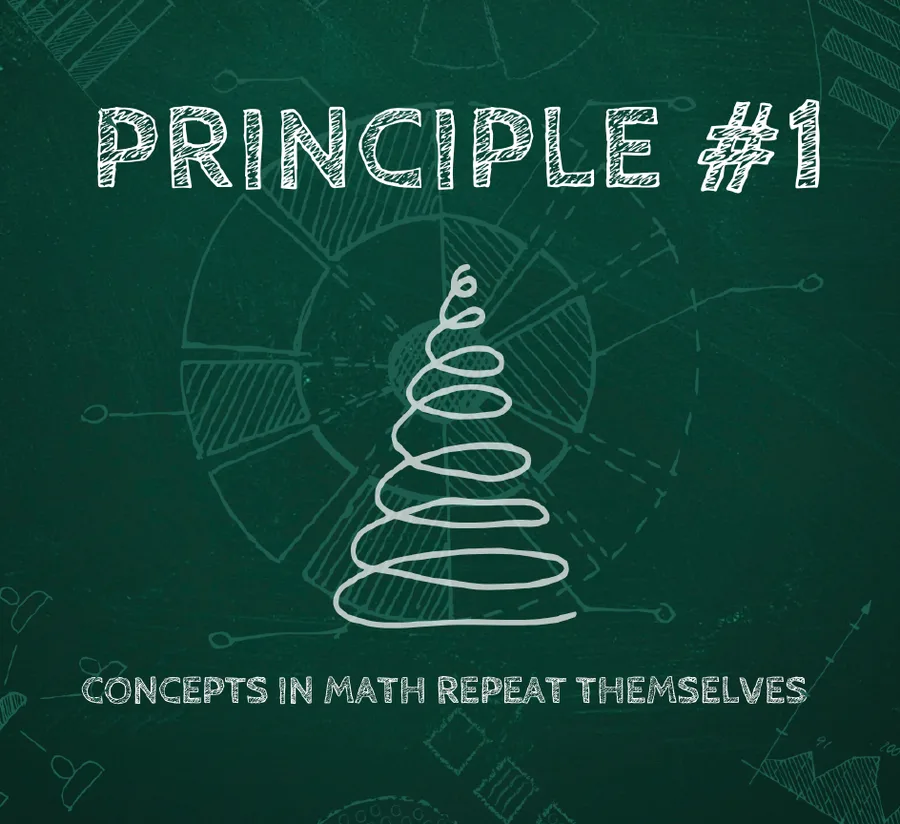
Central to the Elevated Model are the Thinking Principles. These principles guide student learning and can be used across all levels and grade ranges. That range is what makes them so effective — when students adopt these into their daily learning habits, learning becomes more efficient, producing results students can be proud of.
4
Why we cap groups at 4
At Elevated Mathematics, we believe in having students undergo a healthy amount of struggle. In a group setting, each student still receives personalized attention, but also works independently for portions of the hour — solidifying their understanding of the material. Students feel safe to ask questions in a group and, at times, work through problems together. This builds both their understanding and their confidence.
Learn about our programs and pricing
Browse our program types, subjects, and fee structure to see what fits your student.
